
Deforestation and reforestation process
A project by Martina Sedda · Programa: Artihost meno ir kultūros rezidencija II – Panevėžys, Lietuva
I arrived in Lithuania and the first thing I noticed was definitely the forest. This greenness that captures you and takes you through the days. But one day I discovered that this beautiful green is in danger.
What is destroying Lithuanian forests?
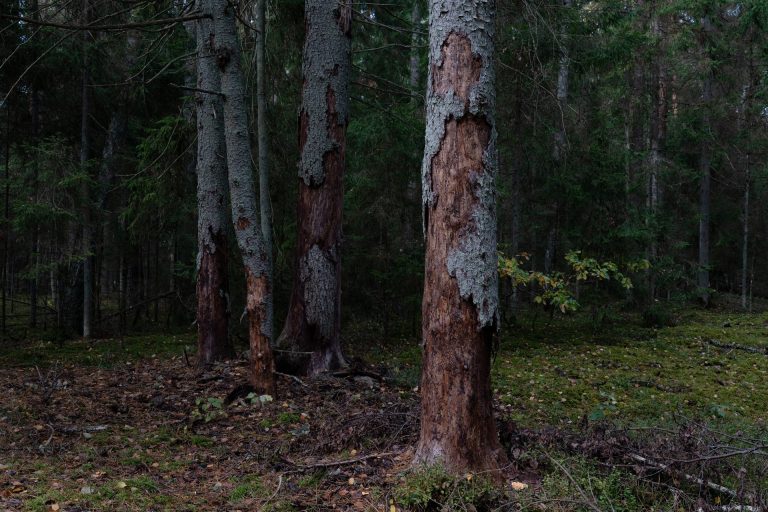
Certainly the over-industrialization that there was in the past started the deforestation process that is still ongoing because of climate change. Rising temperatures and prolonged periods of drought have caused vast fires and the proliferation of bark beetles.
It has now become a major cause. It is one of the most dangerous forest pests in Europe.
Despite their tiny size, the tiny beetles are capable of wiping out entire forests.
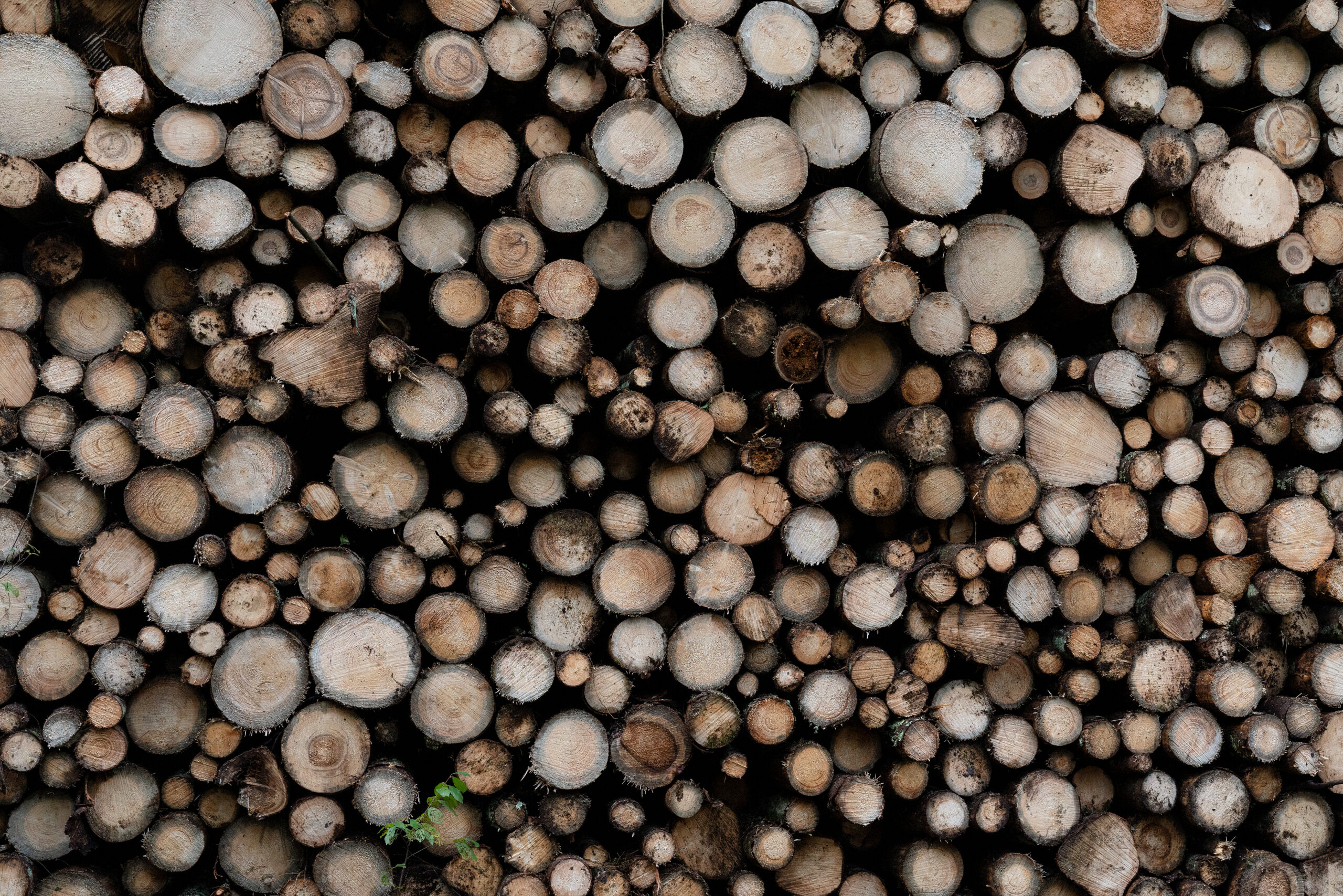
But how can such a tiny creature bring thousands and thousands of mighty giants to their knees? With the help of their chewing tools, the pests pierce the bark of coniferous plants and lay their eggs there. Almost a death sentence for the tree. If we do not get this problem under control, things will go badly wrong for our forests. A devastating scenario, environmentally but also economically. The only possible pest control, to prevent the spread of the contagion, is to cut down contaminated trees.
In several European states the beetle has led to the destruction of forests, but in Lithuania the national forest rangers have a definite plan of action to prevent this from happening here as well, fighting deforestation and even implementing forests within the state.
The deforestation process goes in parallel with the reforestation process.
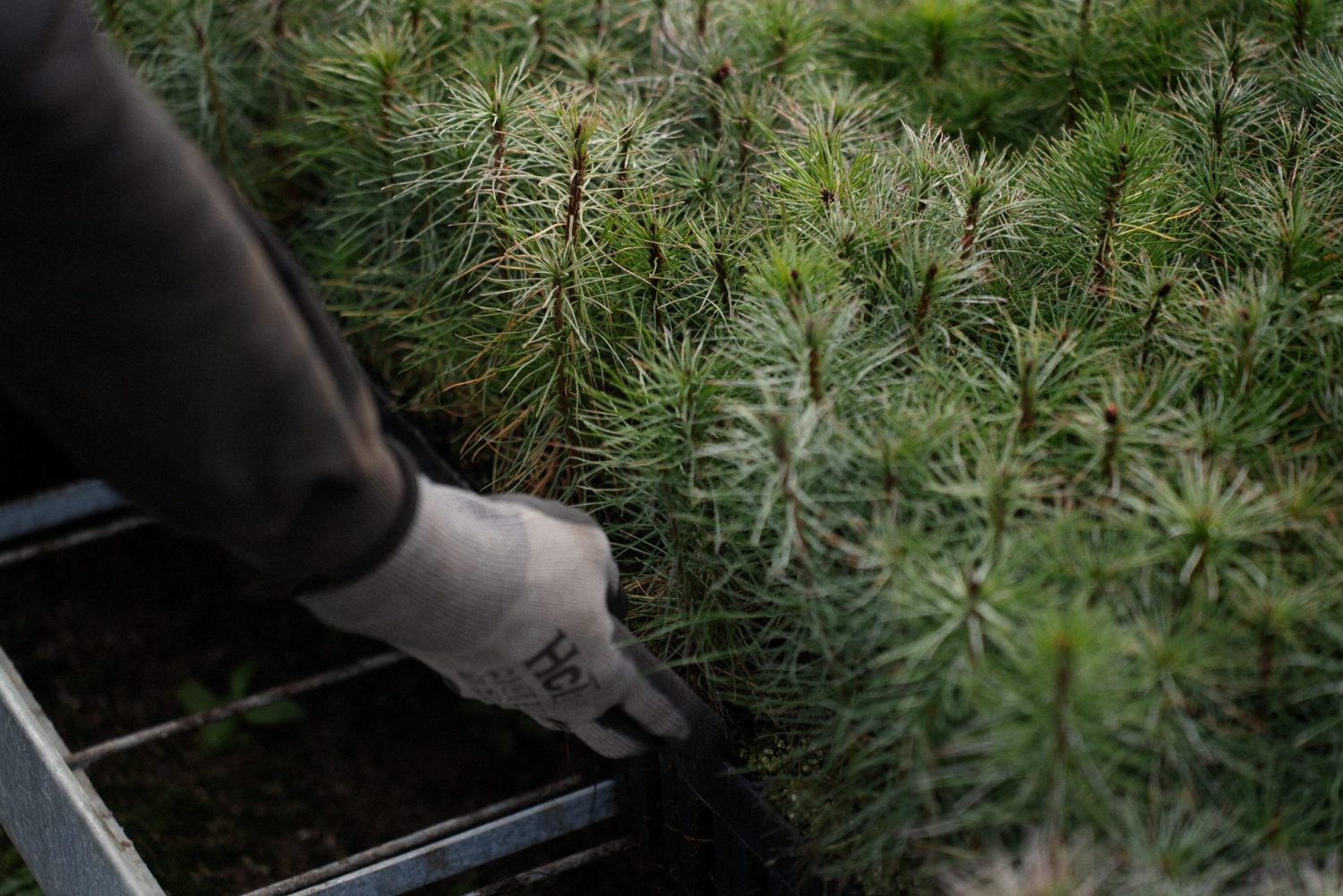
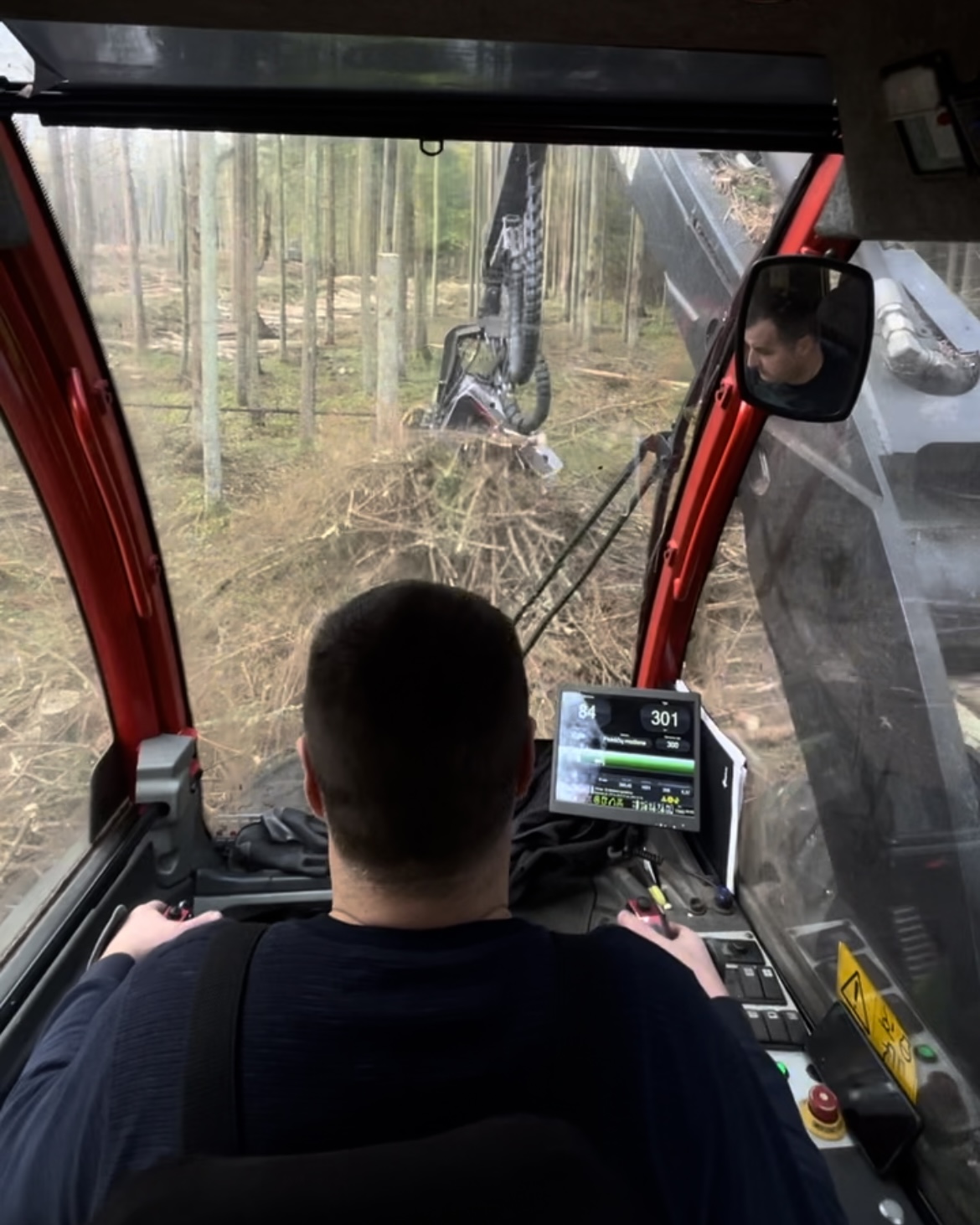
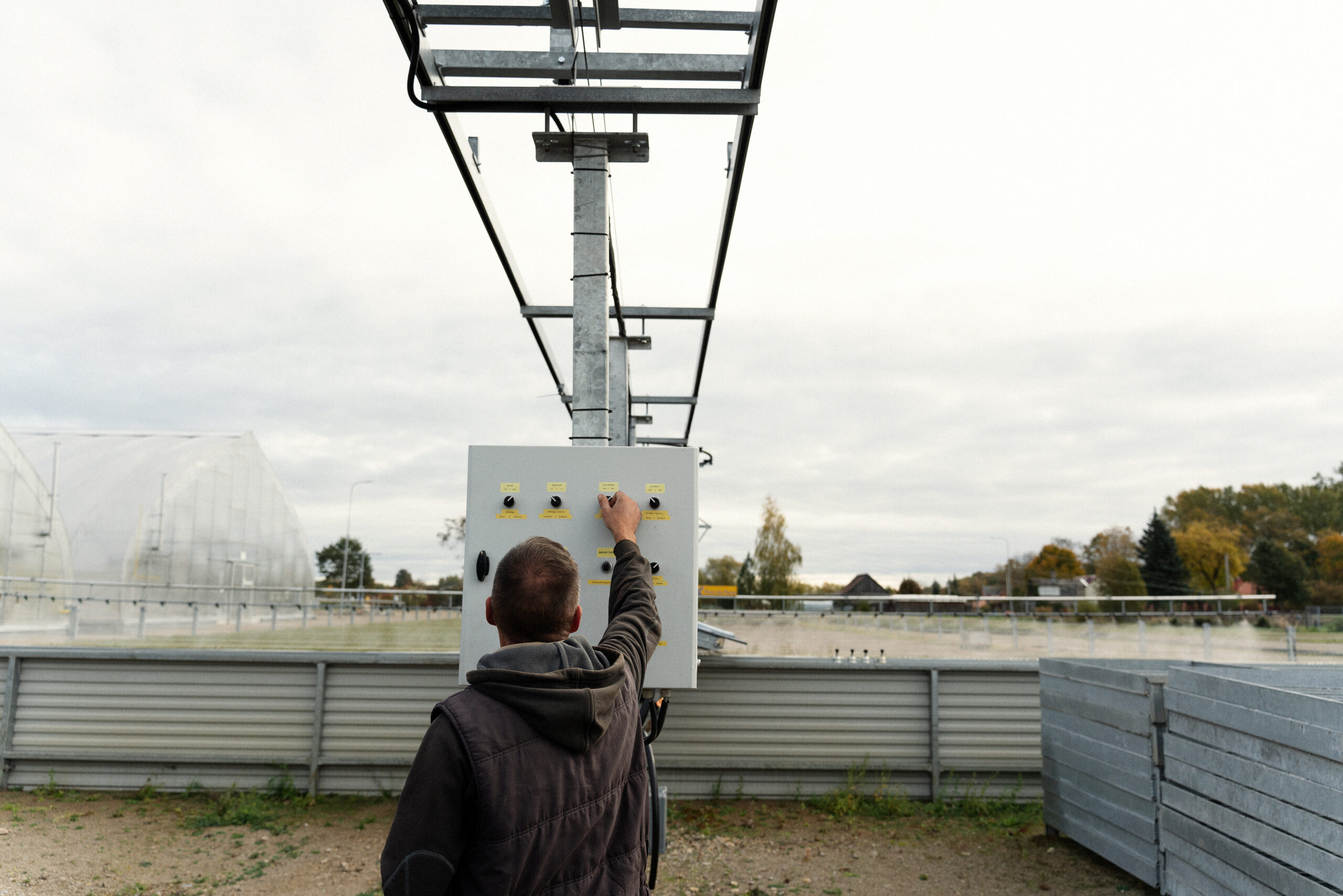
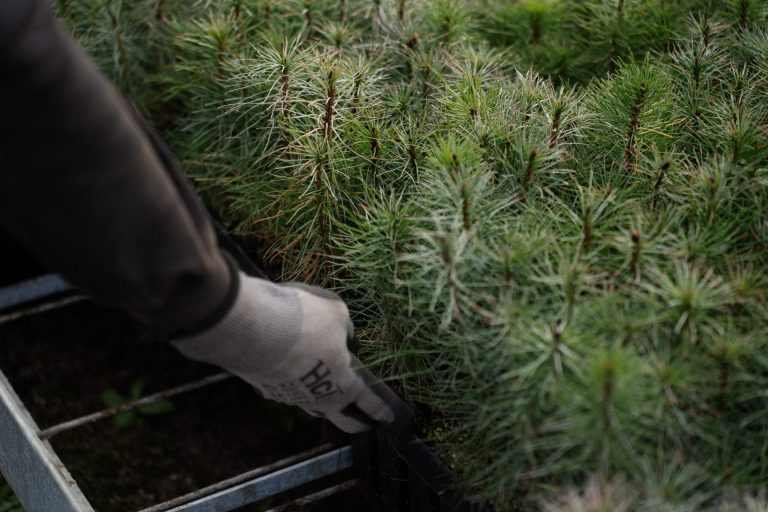
They select infested areas and cut down all the trees within them. All the while the production of new conifers to replace those felled, and for new forests, proceeds.
They put several tricks into practice to implement nutrients from future trees before they are planted, to have stronger forests in the future.
The European bison has also been affected by deforestation, and has been classified as a “vulnerable” animal. These animals in Lithuania are indeed at risk. The ecosystem restoration project will be able to allow the bison to live peacefully without being at risk.
The national forest rangers showed me the Nature Reserve dedicated to the European Bison.
A dawn portion of bison remain wild but are still monitored and kept under control by the guards.
So I went with them in search of these creatures. It wasn’t easy to find them I have to admit, some specimens have gps so they could allow for easier geolocation. We set out at 6 a.m. that day to make the check, and we finally spotted them at 10:30 a.m. With the naked eye it is impossible to see them because they are so far away and it was a rainy day. I looked through binoculars, and there they were, all 64 of them lined up in front of us, less than 1km away, but they could see us very well. Their snouts all toward us with uncertain expressions.
Project co-financed by Lithuanian council of Culture.

A spectacle uncontaminated in front of me. Free and wild.
So the guards did their monitoring job, making sure with the drone that all the bison were actually okay. We stayed there until all the bisons were gone into the forest.
And that’s how, side by side with the national forest rangers, I was able to see a close up effects of deforestation and reforestation in Lithuania up close.
The story continues in The Full Circle moment – the exhibition at the end of the residency.
About this project
Martina Sedda came to Panevėžys in September 2023 as the photographer of the Artihost Art & Culture Residency II. Her starting point was the history of the land: more than 10,000 years ago forests covered almost half of Lithuania. Intensive agriculture, climate change and insect plagues such as the bark beetle have since degraded forest ecosystems, and today Panevėžys county has one of the lowest forest covers in the country – about 31%.
For three months she worked side by side with the national forest rangers. She followed them into infected stands that had to be cut, into the tree nursery where new conifers are grown, and into the reserve where they monitor the European bison. Her photographs document both sides of the same process – deforestation and reforestation – and the people who keep the forests alive.
The project ended with the exhibition The Full Circle moment in November 2023. You can see the photographs in Martina’s portfolio from Panevėžys and read about her way of working in the interview.
If you would like to see the bison yourself, the Pašiliai bison paddock near Krekenava has a viewing platform – find it with other nature places in our guide What to see around Panevėžys.
Read the whole story

Follow Martina's work
Conceptual, documentary and fashion photography from Italy and Lithuania.
Keep exploring
More stories from Artihost
Our Address
Artihost
Savanorių a. 12
Central entrance, 3rd floor
Panevėžys, Lithuania
Contact
Tel.: +370 622 58334
hello@artihost.euFacebook
AArtihostHostel · Co-working · Art residency
Events, Erasmus+ projects, residencies and hostel news from Panevėžys.
Instagram