
Gyvapasakis

Bobutės ir senelio pasaka

Aukštaičių pasaka – klausykitės ir skaitykite.
0:00 / 0:00
Bobutės ir senelio pasaka
Skaityti:

Buvo senelis ir bobutė ir pasodino pagirnyj pupelę. Ir užaugo pupelė lig girnom. Išplėšė girnas – pupelė užaugo lig lubom. Išplėšė lubas – augt, augt lig dangčiui. Išplėšė dangtį – ir užaugo pupelė lig dangui. Misija senelis su bobute, kas čia reikia darytie. Reikia lipti dangun. Teip suskalbėję ir inlipė par pupelę dangun.

Vaikščioja, vaikščioja po dangų – niekur nieko nesutinka. Priėjo naktis – nėr kur nakvoti. Atrado obelį ir atsigulė po obele. Atėjo dievas, sako:
– Gulėkit, ale tik nelieskit mano obuolių.

Senelis atsakė:
– Oje, ponuliuk neliesma.

Teip jie ir užmigo. Ryto boba nubudus pamislijo: „Reikia pakarštavot, kai labai gražūs, gal ir gardūs”. Kaip tik vieną palietė, tuoj visi obuoliai ir nubyrėjo. Nubudo ir senis – pradėjo bartis ant bobos. Ėmė senis pešt bobos čiupryną ir raišiot obuolius ant obelės. Nurovė visus plaukus nuo galvos, ir nepakako pririšt obuoliam. Ateina dievas ir baras ant jų, kam lietė obuolius. Senis apskundė bobą, kad ana lietė.

Nuėjo jie toliau. Eina eina, vaikščioja vaikščioja – vėl nieko neužeina. Priėjo naktis – nėr kur naktigulio gulėtie. Rado inmaišyta rėčkelėj tešlos del duonos kepimo. Sako:
– Gulkim nors čia, bet užuvėja.

Ir atsigulė. Senis sako:
– Ale tu, bobut, neliesk vėl, kad nepasdarytum iškados.
– Ne, neliesiu.

Senis kaip tik užmigo, bobai užrūpo, ar gardi rūgštis. Ana pirštu paskabinus, pakarštavos – kaip ėmė bėgti tešla ant senio, apibėgo visa barzda, senis ir nubudo. Pradėjo ant bobos bartis, boba – gintis, kad neliečiau. Senis bobą – mušt. Supykę atsikėlė nakčia ir nuėjo toliaus.

Išaušo, pasdarė diena – vėl vaikščioja po dangų. Ir vėl priėjo naktis – neturi kur nakvot. Apsdairė, pamatė – rateliai pastatyti stovi.

– Gulkim po šitais rateliais, bet užuvėja.

Ir atsigulė po rateliais. Senelis užmigo, o bobutė sako: „Reikia pasvažinėtie”. Kaip tik ana insisėdo šituos rateliuos, tuoj rateliai tarrr ir nuvažiavo palei dangų, senelis atliko vienas. Nubudęs žiūri, kad nebėr nei ratelių, nei bobutės. Suprato, kad jo bobutė neiškentė nepaprabojus, kas tie rateliai. Pamislijo: „Reikia eit ieškotų, bo vienam labai nuobodu. Visgi užgirsiu kur trenkiant su rateliais ir eisiu tan balsan ir sustiksiu”. Eina, eina, užgirdo – sutrenkė rateliai. Davai bėgt tan kraštan. Bėgdamas užgirdo – kitam jau krašte trenkia. Sugrįžo vėl atgal ir eina – klauso, kad trečiam krašte terškia. Anas vėl atgal – ir negali niekaip bobutės suvaikyt po dangų. Ir tebegaudo ligi šiolei. Tai da ir mum kai kada girdis jos važinėjimas prieš lietų – tai vienam krašte užgirsi, trenkia su rateliais, tai kitam, ir nemožna permanyt, kurian kraštan bobutė važiuoja.

Lietuvių rašytojų surinktos pasakos ir sakmės/Parengė B. Kerbelytė, red. K. Aleksynas. V., 1981. Nr. 144.

The Tale of Grandma and Grandpa

There were a grandpa and a grandma, and they planted a bean under the quern. The bean grew up to the quern. They pulled out the quern – the bean grew up to the ceiling. They pulled out the ceiling – it grew and grew up to the roof. They took off the roof – and the bean grew all the way up to the sky. Grandpa and grandma wondered what to do now. They would have to climb up to the sky. So they agreed and climbed up the bean into the sky.

They walked and walked about the sky – they met no one anywhere. Night came – nowhere to spend it. They found an apple tree and lay down under it. God came and said:
– Lie here, but don’t touch my apples.

Grandpa answered:
– Oh no, dear Lord, we won’t touch them.

And so they fell asleep. In the morning grandma woke up and thought: “I must try one, they’re so beautiful, maybe they’re tasty too.” The moment she touched one, all the apples fell off at once. Grandpa woke up too and started scolding grandma. He began pulling out grandma’s hair and tying the apples back onto the tree with it. He pulled out all the hair on her head, and it still wasn’t enough to tie up the apples. God comes and scolds them for touching the apples. Grandpa complained that grandma had touched them.

They went on. They walked and walked, wandered and wandered – again they came across nothing. Night came – nowhere to lay their heads. They found a trough of dough mixed for baking bread. They said:
– Let’s lie down here at least, it’s sheltered.

And they lay down. Grandpa said:
– But you, grandma, don’t touch anything again, or you’ll cause trouble.
– No, I won’t touch it.

No sooner had grandpa fallen asleep than grandma wondered whether the sour dough was tasty. She poked it with her finger to taste it – and the dough began to run all over grandpa, it covered his whole beard, and grandpa woke up. He began to scold grandma, and grandma insisted she hadn’t touched it. Grandpa gave grandma a beating. Angry, they got up in the night and went on.

Dawn broke, day came – again they wandered about the sky. And again night came – nowhere to sleep. They looked around and saw a little cart standing there.

– Let’s lie down under this cart, at least it’s sheltered.

And they lay down under the cart. Grandpa fell asleep, and grandma said: “I must have a ride.” The moment she sat in the cart, off it went – rumble! – across the sky, and grandpa was left alone. He woke up and saw there was neither the cart nor grandma. He understood that his grandma couldn’t resist trying out the cart. He thought: “I must go and look for her, it’s very dull alone. I’ll hear where the cart is rumbling, follow the sound and catch up with her.” He walked and walked and heard the cart rumble. Off he ran in that direction. As he ran, he heard it rumbling at the other end of the sky. He turned back and walked – and heard it rattling at a third end. Back he went again – and he just can’t catch grandma anywhere in the sky. And he’s still chasing her to this day. That’s why we sometimes still hear her riding before the rain – now you hear the cart rumbling at one end of the sky, now at another, and you can never tell which way grandma is going.

Source: Lietuvių rašytojų surinktos pasakos ir sakmės/Parengė B. Kerbelytė, red. K. Aleksynas. V., 1981. Nr. 144. Translated from Lithuanian by Artihost.

Das Märchen von Großmutter und Großvater

Es waren einmal ein Großvater und eine Großmutter, die pflanzten unter der Handmühle eine Bohne. Die Bohne wuchs bis an die Mühle. Sie rissen die Mühle heraus – die Bohne wuchs bis an die Decke. Sie rissen die Decke heraus – sie wuchs und wuchs bis ans Dach. Sie deckten das Dach ab – und die Bohne wuchs bis in den Himmel. Großvater und Großmutter überlegten, was nun zu tun sei. Man müsse in den Himmel klettern. So beschlossen sie es und kletterten an der Bohne in den Himmel.

Sie gingen und gingen im Himmel umher – nirgends trafen sie jemanden. Die Nacht kam – nirgends ein Nachtlager. Sie fanden einen Apfelbaum und legten sich darunter. Da kam Gott und sagte:
– Legt euch hin, aber rührt meine Äpfel nicht an.

Der Großvater antwortete:
– Aber nein, lieber Herr, wir rühren sie nicht an.

So schliefen sie ein. Am Morgen wachte die Großmutter auf und dachte: „Ich muss einen probieren, sie sind so schön, vielleicht auch lecker.“ Kaum hatte sie einen berührt, fielen alle Äpfel herunter. Auch der Großvater wachte auf und begann die Großmutter auszuschimpfen. Er zog der Großmutter die Haare aus und band damit die Äpfel wieder an den Baum. Er riss ihr alle Haare vom Kopf, und es reichte immer noch nicht, um die Äpfel anzubinden. Da kommt Gott und schimpft, warum sie die Äpfel angerührt haben. Der Großvater beschwerte sich, dass die Großmutter es gewesen sei.

Sie gingen weiter. Sie gingen und gingen, wanderten und wanderten – wieder fanden sie nichts. Die Nacht kam – nirgends ein Platz zum Schlafen. Sie fanden einen Trog mit angerührtem Brotteig. Sie sagten:
– Legen wir uns wenigstens hierhin, hier ist es windgeschützt.

Und sie legten sich hin. Der Großvater sagte:
– Aber du, Großmutter, rühr wieder nichts an, damit du keinen Schaden anrichtest.
– Nein, ich rühre nichts an.

Kaum war der Großvater eingeschlafen, wollte die Großmutter wissen, ob der Sauerteig gut schmeckt. Sie tippte ihn mit dem Finger an, um zu kosten – da lief der Teig über den Großvater, über seinen ganzen Bart, und der Großvater wachte auf. Er schimpfte die Großmutter, die Großmutter beteuerte, sie habe nichts angerührt. Der Großvater verprügelte die Großmutter. Verärgert standen sie mitten in der Nacht auf und gingen weiter.

Es dämmerte, es wurde Tag – wieder wanderten sie im Himmel umher. Und wieder kam die Nacht – nirgends ein Nachtlager. Sie schauten sich um und sahen: Da stand ein kleiner Wagen.

– Legen wir uns unter diesen Wagen, hier ist es wenigstens windgeschützt.

Und sie legten sich unter den Wagen. Der Großvater schlief ein, und die Großmutter sagte: „Ich muss eine Runde fahren.“ Kaum hatte sie sich in den Wagen gesetzt, fuhr er auch schon – rumms! – über den Himmel davon, und der Großvater blieb allein zurück. Als er aufwachte, sah er: weder Wagen noch Großmutter. Er begriff, dass seine Großmutter es nicht lassen konnte, den Wagen auszuprobieren. Er dachte: „Ich muss sie suchen gehen, allein ist es sehr langweilig. Ich werde schon hören, wo der Wagen poltert, gehe dem Geräusch nach und hole sie ein.“ Er ging und ging und hörte – der Wagen polterte. Schnell lief er dorthin. Im Laufen hörte er es schon am anderen Ende poltern. Er kehrte um und ging – da hörte er es an einem dritten Ende rattern. Wieder zurück – und er kann die Großmutter am Himmel einfach nicht einholen. Und er jagt ihr bis heute nach. Darum hören auch wir manchmal vor dem Regen, wie sie fährt – mal hört man den Wagen an einem Ende poltern, mal am anderen, und man kann nie erkennen, wohin die Großmutter fährt.

Quelle: Lietuvių rašytojų surinktos pasakos ir sakmės/Parengė B. Kerbelytė, red. K. Aleksynas. V., 1981. Nr. 144. Aus dem Litauischen übersetzt von Artihost.

El cuento de la abuela y el abuelo

Había una vez un abuelo y una abuela que plantaron una judía debajo del molinillo. La judía creció hasta el molinillo. Quitaron el molinillo y la judía creció hasta el techo. Quitaron el techo y creció y creció hasta el tejado. Quitaron el tejado y la judía creció hasta el cielo. El abuelo y la abuela se preguntaron qué hacer. Habría que subir al cielo. Así lo acordaron y subieron por la judía hasta el cielo.

Anduvieron y anduvieron por el cielo sin encontrar a nadie. Llegó la noche y no tenían dónde dormir. Encontraron un manzano y se tumbaron debajo. Llegó Dios y dijo:
– Acostaos, pero no toquéis mis manzanas.

El abuelo respondió:
– Ay, no, Señor, no las tocaremos.

Y así se durmieron. Por la mañana la abuela se despertó y pensó: «Tengo que probar una, son tan bonitas, quizá también estén ricas». En cuanto tocó una, todas las manzanas cayeron al suelo. El abuelo también se despertó y empezó a reñir a la abuela. Se puso a arrancarle el pelo a la abuela y a atar con él las manzanas al árbol. Le arrancó todo el pelo de la cabeza, y aun así no bastó para atar las manzanas. Llega Dios y les riñe por haber tocado las manzanas. El abuelo acusó a la abuela de haberlas tocado.

Siguieron su camino. Anduvieron y anduvieron, vagaron y vagaron, y de nuevo no encontraron nada. Llegó la noche y no tenían dónde acostarse. Encontraron una artesa con masa preparada para hacer pan. Dijeron:
– Acostémonos aquí al menos, está resguardado.

Y se acostaron. El abuelo dijo:
– Pero tú, abuela, no vuelvas a tocar nada, no vayas a hacer un estropicio.
– No, no tocaré nada.

En cuanto el abuelo se durmió, a la abuela le entraron ganas de saber si la masa agria estaba rica. La tocó con el dedo para probarla y la masa empezó a correr sobre el abuelo, le cubrió toda la barba, y el abuelo se despertó. Empezó a reñir a la abuela, y la abuela juraba que no la había tocado. El abuelo le dio una paliza a la abuela. Enfadados, se levantaron en plena noche y siguieron su camino.

Amaneció, se hizo de día, y de nuevo vagaron por el cielo. Y otra vez llegó la noche y no tenían dónde dormir. Miraron a su alrededor y vieron un carrito parado.

– Acostémonos debajo de este carrito, al menos está resguardado.

Y se acostaron debajo del carrito. El abuelo se durmió y la abuela dijo: «Tengo que dar una vuelta». En cuanto se sentó en el carrito, este salió disparado – ¡brrrum! – por el cielo, y el abuelo se quedó solo. Al despertar vio que no estaban ni el carrito ni la abuela. Comprendió que su abuela no había podido resistirse a probar el carrito. Pensó: «Tengo que ir a buscarla, solo me aburro mucho. Ya oiré dónde retumba el carrito, iré hacia el ruido y la alcanzaré». Anduvo y anduvo y oyó retumbar el carrito. Corrió hacia allí. Mientras corría, lo oyó retumbar en el otro extremo. Dio la vuelta y caminó, y oyó que traqueteaba en un tercer extremo. Volvió atrás otra vez y no hay manera de alcanzar a la abuela por el cielo. Y la sigue persiguiendo hasta hoy. Por eso a veces todavía la oímos pasear antes de la lluvia: ahora se oye retumbar el carrito en un extremo, ahora en otro, y nunca se sabe hacia dónde va la abuela.

Fuente: Lietuvių rašytojų surinktos pasakos ir sakmės/Parengė B. Kerbelytė, red. K. Aleksynas. V., 1981. Nr. 144. Traducción del lituano: Artihost.

Le conte de la grand-mère et du grand-père

Il était une fois un grand-père et une grand-mère qui plantèrent un haricot sous la meule. Le haricot poussa jusqu’à la meule. Ils arrachèrent la meule – le haricot poussa jusqu’au plafond. Ils arrachèrent le plafond – il poussa, poussa jusqu’au toit. Ils ôtèrent le toit – et le haricot poussa jusqu’au ciel. Le grand-père et la grand-mère se demandèrent que faire. Il fallait grimper au ciel. Ils se mirent d’accord et grimpèrent par le haricot jusqu’au ciel.

Ils marchèrent et marchèrent dans le ciel sans rencontrer personne. La nuit tomba – nulle part où dormir. Ils trouvèrent un pommier et se couchèrent dessous. Dieu arriva et dit :
– Couchez-vous, mais ne touchez pas à mes pommes.

Le grand-père répondit :
– Oh non, mon bon Seigneur, nous n’y toucherons pas.

Et ils s’endormirent. Au matin, la grand-mère se réveilla et pensa : « Il faut que j’en goûte une, elles sont si belles, elles sont peut-être bonnes aussi. » À peine en eut-elle touché une que toutes les pommes tombèrent. Le grand-père se réveilla aussi et se mit à gronder la grand-mère. Il se mit à arracher les cheveux de la grand-mère pour rattacher les pommes à l’arbre. Il lui arracha tous les cheveux de la tête, et cela ne suffit toujours pas à rattacher les pommes. Dieu arrive et les gronde d’avoir touché aux pommes. Le grand-père accusa la grand-mère d’y avoir touché.

Ils repartirent. Ils marchèrent, marchèrent, errèrent, errèrent – de nouveau ils ne trouvèrent rien. La nuit tomba – nulle part où se coucher. Ils trouvèrent un pétrin plein de pâte à pain. Ils dirent :
– Couchons-nous au moins ici, on est à l’abri.

Et ils se couchèrent. Le grand-père dit :
– Mais toi, grand-mère, ne touche plus à rien, pour ne pas faire de bêtise.
– Non, je n’y toucherai pas.

À peine le grand-père endormi, la grand-mère voulut savoir si la pâte aigre était bonne. Elle y plongea le doigt pour goûter – et la pâte se mit à couler sur le grand-père, lui recouvrit toute la barbe, et le grand-père se réveilla. Il se mit à gronder la grand-mère, la grand-mère jura qu’elle n’y avait pas touché. Le grand-père battit la grand-mère. Fâchés, ils se levèrent en pleine nuit et repartirent.

L’aube se leva, le jour vint – de nouveau ils errèrent dans le ciel. Et de nouveau la nuit tomba – nulle part où dormir. Ils regardèrent autour d’eux et virent une petite charrette arrêtée là.

– Couchons-nous sous cette charrette, au moins on y est à l’abri.

Et ils se couchèrent sous la charrette. Le grand-père s’endormit, et la grand-mère dit : « Il faut que je fasse un tour. » À peine assise dans la charrette, voilà qu’elle partit – brrrum ! – à travers le ciel, et le grand-père resta seul. À son réveil, il vit qu’il n’y avait plus ni charrette ni grand-mère. Il comprit que sa grand-mère n’avait pas pu s’empêcher d’essayer la charrette. Il pensa : « Il faut que j’aille la chercher, seul je m’ennuie trop. J’entendrai bien où gronde la charrette, j’irai vers le bruit et je la rattraperai. » Il marcha, marcha, et entendit gronder la charrette. Le voilà qui court par là. En courant, il l’entendit gronder à l’autre bout du ciel. Il fit demi-tour et marcha – et l’entendit rouler à un troisième bout. De nouveau en arrière – et impossible de rattraper la grand-mère dans le ciel. Et il la poursuit encore aujourd’hui. C’est pourquoi nous l’entendons parfois encore rouler avant la pluie : tantôt la charrette gronde à un bout du ciel, tantôt à l’autre, et on ne sait jamais de quel côté va la grand-mère.

Source : Lietuvių rašytojų surinktos pasakos ir sakmės/Parengė B. Kerbelytė, red. K. Aleksynas. V., 1981. Nr. 144. Traduit du lituanien par Artihost.

Сказка про бабку и деда

Жили-были дед да бабка и посадили под жерновами бобовое зёрнышко. Вырос боб до жерновов. Выломали жернова – вырос боб до потолка. Выломали потолок – рос, рос до крыши. Сняли крышу – и вырос боб до самого неба. Стали дед с бабкой думать, что теперь делать. Надо лезть на небо. Так и порешили и залезли по бобу на небо.

Ходят, ходят по небу – нигде никого не встречают. Настала ночь – негде ночевать. Нашли яблоню и легли под ней. Пришёл Бог и говорит:
– Лежите, только моих яблок не трогайте.

Дед ответил:
– Ой, Господи, не тронем.

Так они и уснули. Утром бабка проснулась и подумала: «Надо попробовать, уж больно красивые, может, и вкусные». Только она одно тронула – тут же все яблоки и осыпались. Проснулся и дед – стал бабку бранить. Принялся дед драть бабке волосы и привязывать ими яблоки к яблоне. Все волосы с головы повыдергал, а на яблоки всё равно не хватило. Приходит Бог и бранит их, зачем яблоки трогали. Дед пожаловался, что это бабка тронула.

Пошли они дальше. Идут, идут, бродят, бродят – опять ничего не находят. Настала ночь – негде на ночлег лечь. Нашли квашню с тестом, замешанным для хлеба. Говорят:
– Ляжем хоть тут, зато в затишье.

И легли. Дед говорит:
– Только ты, бабка, опять ничего не трогай, а то беды наделаешь.
– Нет, не трону.

Только дед уснул, бабке не терпится узнать, вкусная ли закваска. Ткнула она пальцем, попробовала – как побежало тесто на деда, всю бороду облепило, дед и проснулся. Стал бабку бранить, а бабка оправдывается, что не трогала. Дед бабку – бить. Рассерженные, встали они среди ночи и пошли дальше.

Рассвело, настал день – опять бродят по небу. И опять настала ночь – негде ночевать. Огляделись, видят – стоит тележка.

– Ляжем под этой тележкой, зато в затишье.

И легли под тележкой. Дед уснул, а бабка говорит: «Надо прокатиться». Только она села в тележку – тут же тележка тарарах! – и укатила по небу, а дед остался один. Проснулся, смотрит – нет ни тележки, ни бабки. Понял он, что его бабка не утерпела, не попробовав, что это за тележка. Подумал: «Надо идти искать, одному очень скучно. Услышу, где тележка грохочет, пойду на звук и догоню». Идёт, идёт, слышит – загрохотала тележка. Давай бежать в ту сторону. Бежит, а уже слышит – на другом краю грохочет. Повернул назад и идёт – слышит, на третьем краю тарахтит. Он опять назад – и никак не может догнать бабку по небу. Так и гоняется за ней до сих пор. Вот и мы иногда слышим перед дождём, как она катается: то на одном краю услышишь, как тележка грохочет, то на другом, и не поймёшь, в какую сторону бабка едет.

Источник: Lietuvių rašytojų surinktos pasakos ir sakmės/Parengė B. Kerbelytė, red. K. Aleksynas. V., 1981. Nr. 144. Перевод с литовского – Artihost.

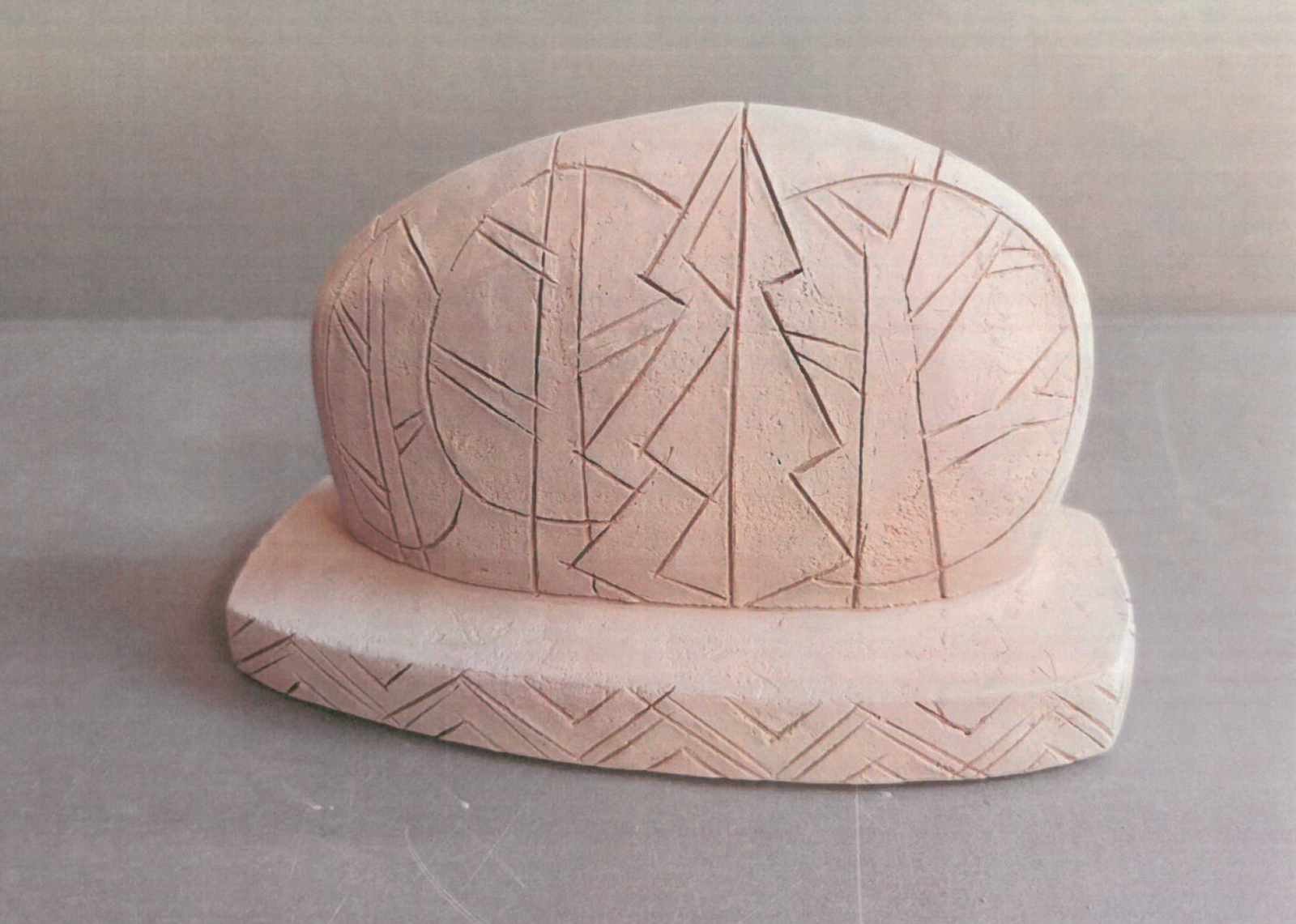
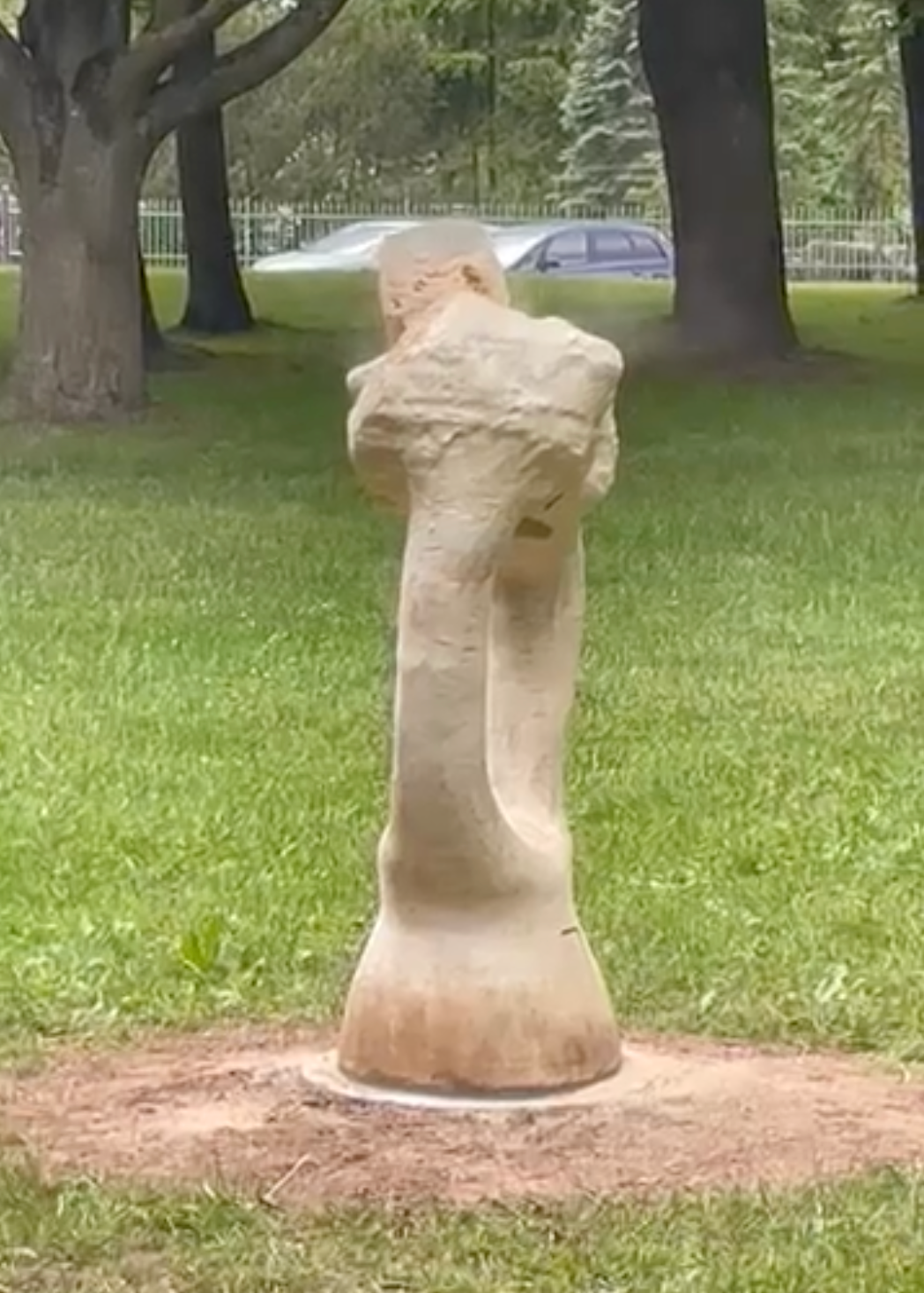
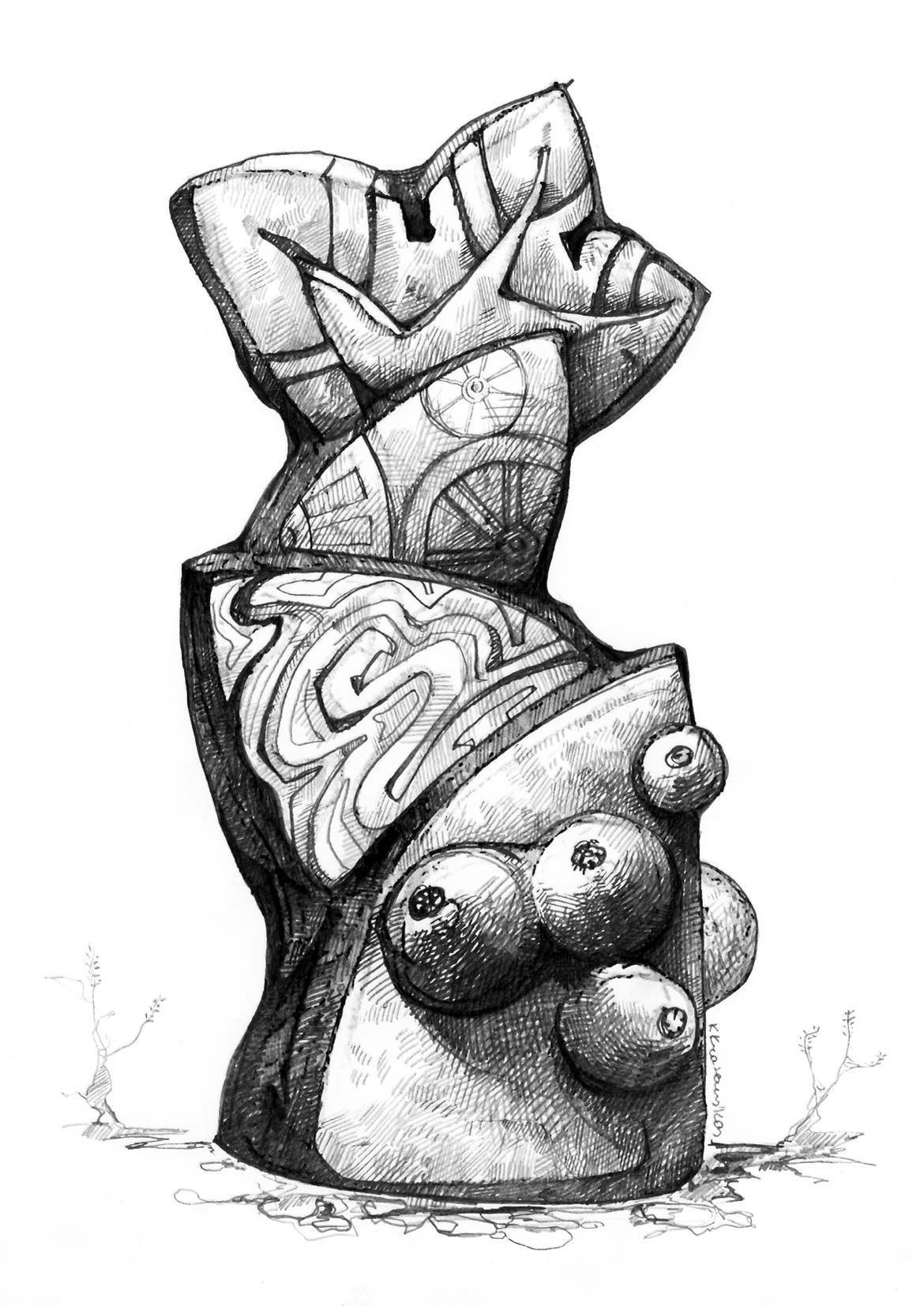
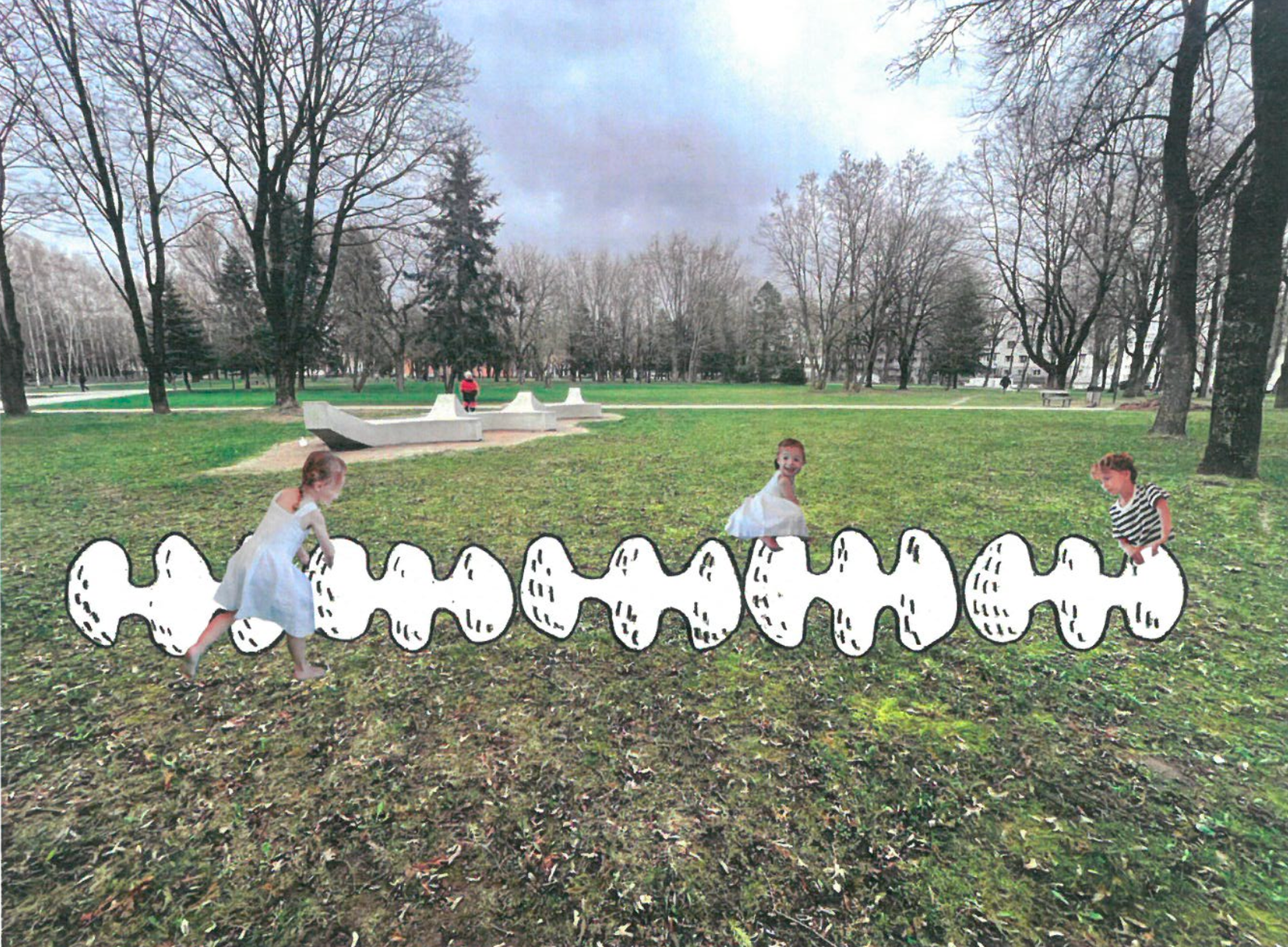
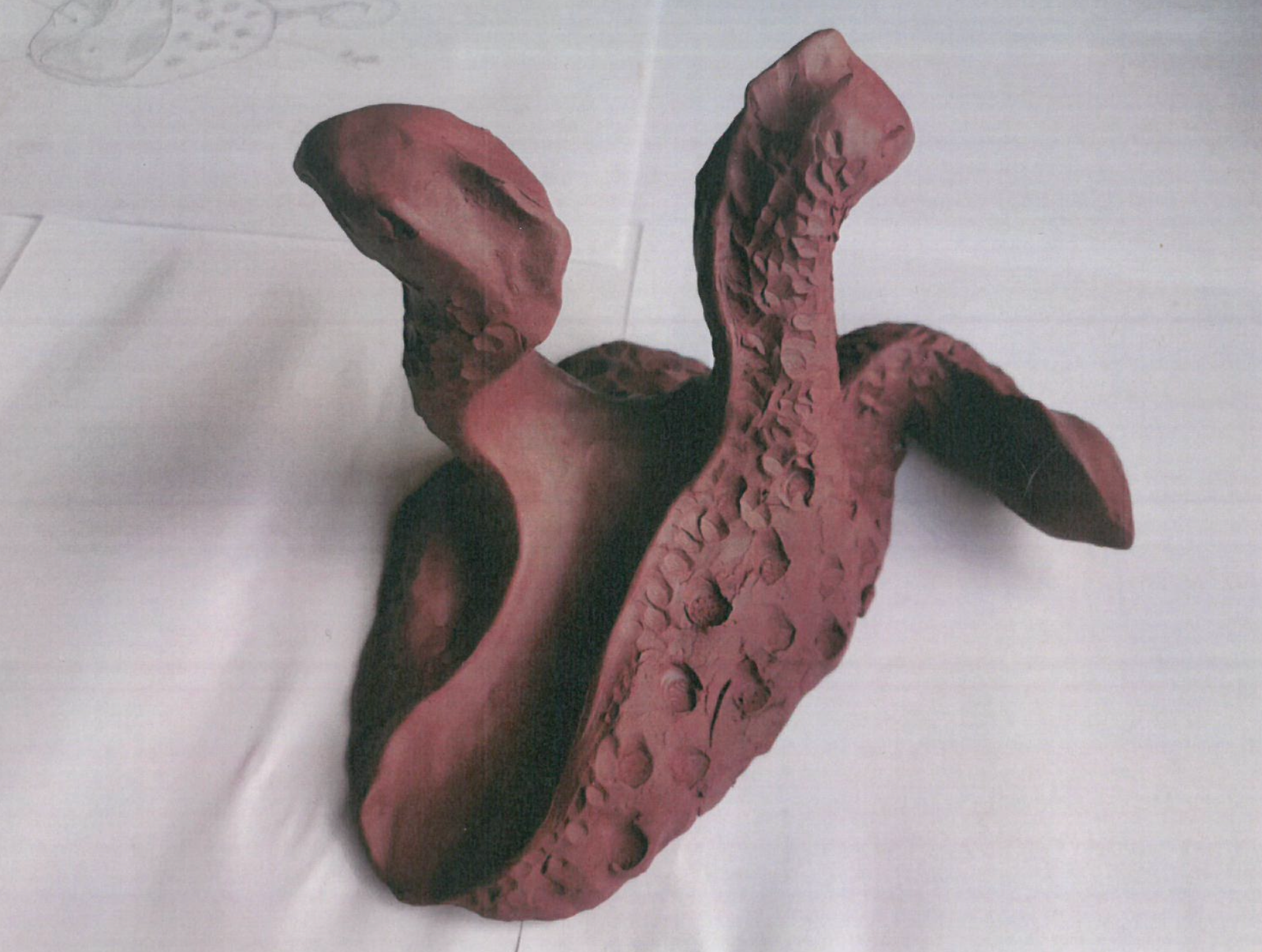
Skulptūra „Bobutės ir senelio pasaka“

Pažiūrėkite keramikos skulptūrą, sukurtą pagal šią pasaką.

Projektas

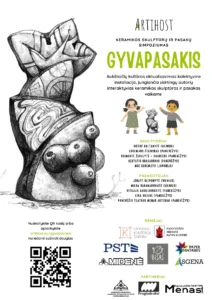
Gyvapasakis

Aukštaičių kultūros aktualizavimas kolektyvine instaliacija, jungiančia skirtingų autorių interaktyvias keramikos skulptūras ir pasakas vaikams.
Aukštaičių kultūros aktualizavimas interaktyviomis meninėmis priemonėmis „Gyvapasakis“ yra unikalus pasaulio mastu keramikos skulptūrų ir pasakų simpoziumas, kurio metu siekiama sukurti kolektyvinę interaktyvią instaliaciją, jungiančią skirtingų autorių keramikos skulptūras ir pasakas vaikams.

Simpoziumas vyksta nuo 2023 m. gegužės 19 iki birželio 29 d. Panevėžio mieste: Artihost erdvėje, UAB „Midenė“ dirbtuvėse, Pragiedruliuose, Petkevičaitės-Bitės viešojoje bibliotekoje ir Marijonų parke.

Simpoziume dalyvauja 5 keramikai – skulptoriai – edukatoriai: Eugenijus Čibinskas, Kęstutis Krasauskas ir Vilmantė Žegulytė-Dvareckė iš Panevėžio, Giedrė Baltakytė iš Vilniaus, Noe Kuremoto iš Japonijos, profesionali istorijų žodžiu pasakotoja bei pasakojimo meno mokytoja Milda Varnauskaitė, Panevėžio kraštotyros muziejaus vyresnioji muziejininkė Vitalija Vasiliauskaitė, Lietuvių literatūros ir tautosakos instituto atstovė ir pasakų ekspertė dr. Jūratė Šleponytė, Panevėžio kraštotyros muziejaus etninės kultūros skyriaus vedėja Lina Vilienė.

Simpoziumas atkreipia dėmesį į sakytinės lietuvių kalbos išsaugojimo vertę ir meno prieinamumą interaktyviomis priemonėmis. Projekto metu įrengiama saugiam žaidimui pritaikyta, pasaką patirti kviečianti kultūrinė laisvalaikio erdvė. Menininkai kuria penkias (garsines) keramines kompozicijas / skulptūras, kviečiančias patirti pasaką per vizualiai išreikštą jos vaizdą, pasitelkiant Aukštaitijos regiono tautosaką.


2023 m. simpoziumo programa

  1. Gegužės 19 d., 17:15Artihost erdvėjeSkulptorių ir pasakotojų susitikimas
  2. Gegužės 20 – birželio 2 d.MidenėjeSkulptūrų lipdymas pasakų motyvaisRegistruokis į stebėjimą
  3. Birželio 1 d., 17:15Petkevičaitės-Bitės viešojoje bibliotekojePaskaita „Gyvapasakis: pasakų prasmė ir svarba vaikų ugdyme“ – iki 100 žm., registracija privalomaRegistruokis į paskaitą
  4. Birželio 2–21 d.MidenėjeSkulptūrų džiūvimas
  5. Birželio 3 d., 11 val.Midenės salėjeMolio edukacija / dirbtuvės vaikams Tėčio dienos progaRegistruokis į dirbtuves
  6. Birželio 10 d., 13 val.PragiedruliuoseMolio ir pasakų edukacija suaugusiems – iki 15 žm., registracija privalomaRegistruokis į edukaciją
  7. Birželio 17 d., 13 val.PragiedruliuoseMolio edukacijos antra dalis (tiems, kas dalyvavo I dalyje)
  8. Birželio 22–24 d.MidenėjeSkulptūrų degimas
  9. Birželio 29 d., 17:15Marijonų parke, PanevėžyjeGyvapasakio skulptūrų parko vaikams atidarymasRegistruokis į atidarymą

Gyvapasakis brošiūra

Atidaryti visame ekraneParsisiųsti PDF

Išgirsk 5 pasakas ir pamatyk 5 skulptūras
Visas Gyvapasakis projektas →

Apie Artihost

Artihost – šiandien apsistok, pasidarbuok ir apsilankyk spektaklyje ar galerijoje, rytoj pradėk nuo jogos, susipažink su keliautojais iš viso pasaulio ir patyrinėk meno ir kultūros žemėlapį Panevėžyje. Laukiame jūsų arti Autobusų stoties ir Laisvės aikštės ir turime jums klausimą refleksijai „What kind of ART I HOST?“
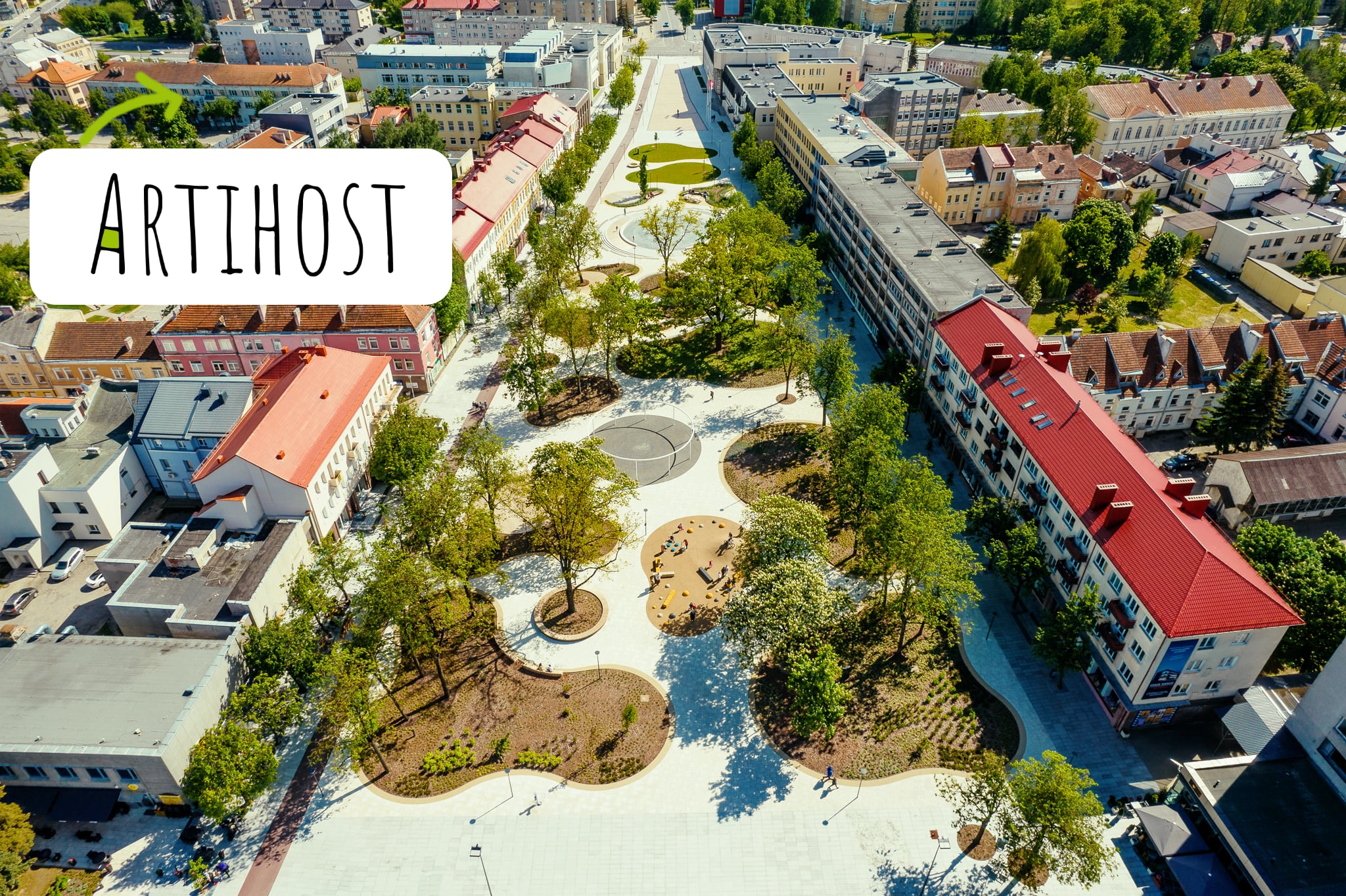
Artihost – hostelis ir bendradarbystės erdvė Panevėžio centre
Artihost.eu·@artihost·+370 622 58334·Savanorių a. 12, 3 aukštas, Panevėžys